
Motion Design
3 min read
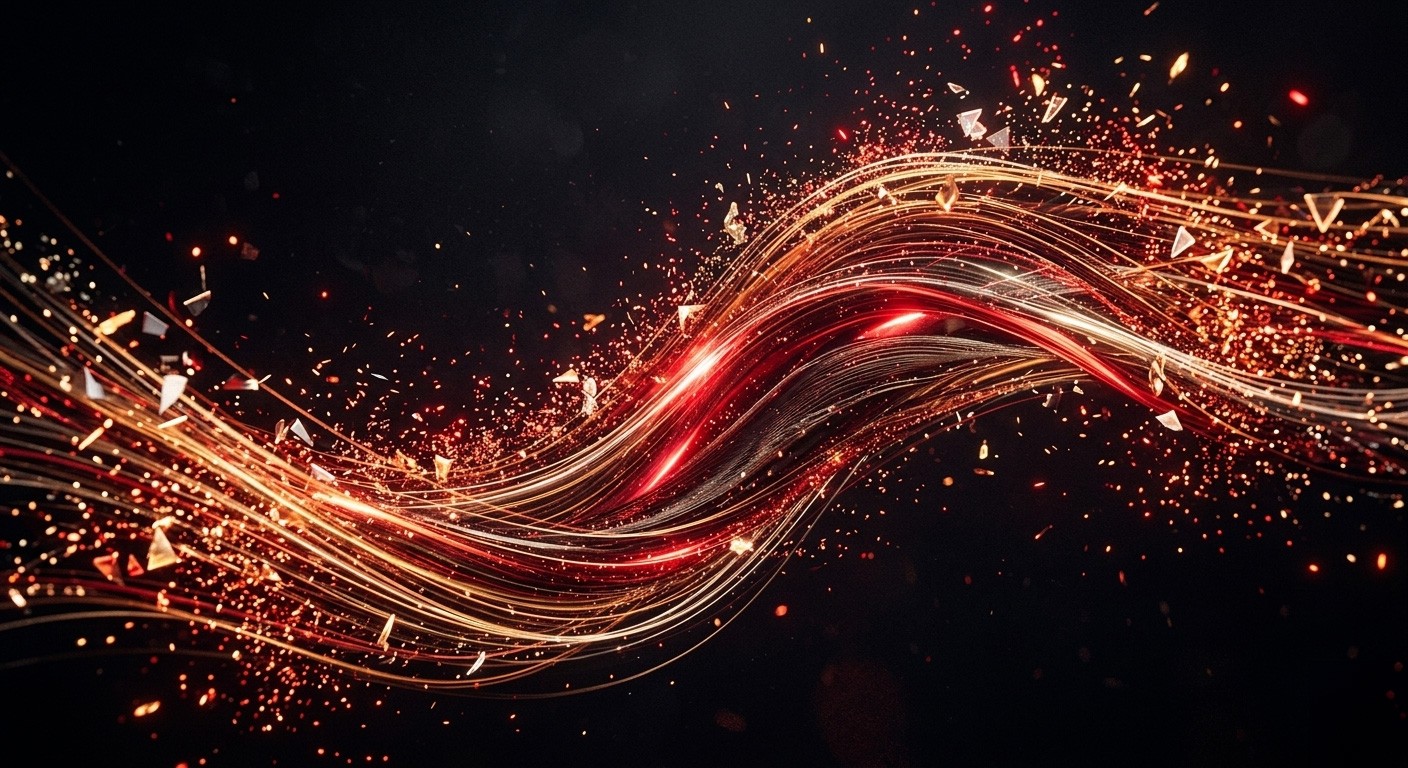
Learn how motion design enhances storytelling, guides interaction and creates emotional depth in digital experiences.
Motion design has evolved far beyond decorative animation. Today, it plays a critical role in communication, interaction and storytelling. When used correctly, motion creates emotional clarity and transforms static interfaces into living experiences.
At StodioX, motion is treated as a narrative tool. Every transition, hover effect and animation should support the user journey rather than distract from it. Motion helps direct attention, establish hierarchy and create continuity across interfaces.
Subtle animation can dramatically improve usability. For example, micro-interactions provide feedback that reassures users their actions are recognized. Smooth transitions help maintain context when navigating between sections or screens.
Cinematic motion also enhances emotional engagement. Slow parallax movement, floating visuals and immersive transitions create atmosphere that static layouts cannot achieve alone. These details help brands feel more premium and memorable.
However, restraint is important. Over-animation often reduces clarity and harms performance. Effective motion design focuses on rhythm, intention and emotional pacing rather than visual excess.
As digital experiences continue to evolve, motion will become increasingly important in defining brand identity and user perception.

More blogs
You may also like this.
We combine strategy, design and technology to create meaningful digital solutions.


Let’s build something extraordinary together.
Have a project in mind? Let’s create something impactful.